
Introduction
As cities grow denser, there’s a rising demand for homes that are not just efficient and resilient—but also regenerative. Urban agriculture is redefining what it means to live green. By integrating farming into buildings—on rooftops, walls, and shared courtyards—communities can produce food, reduce emissions, improve health, and foster social cohesion.
Nano Living Systems LLC is at the forefront, designing modular homes that seamlessly incorporate urban agriculture—from green roofs to vertical gardens—creating compact communities that feed themselves, build resilience, and enrich lives.
1. The Promise of Urban Agriculture
- Climate Resilience & Ecosystems: Green roofs help reduce urban temperatures, manage stormwater, and improve air quality.
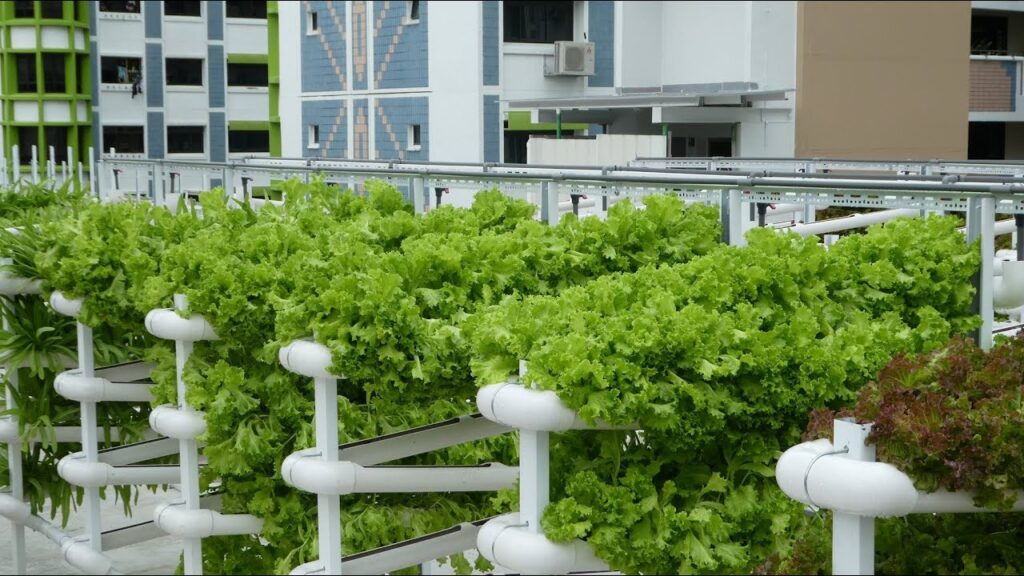
- Sustainable Food Access: Building-integrated agriculture (BIA)—hydroponics, rooftop farming, vertical systems—enhances food security without requiring farmland.
- Community Cohesion & Mental Well-Being: Studies show that urban green spaces in built environments boost health, social interaction, and quality of life.
2. How Nano Makes It Work
A. Green Roof Gardens
NLS’s modular rooftops accommodate:
- Extensive greenery (low-maintenance sedum or grasses), ideal for building insulation and water capture.
- Intensive gardens, with deeper soil layers to grow herbs, vegetables, or small shrubs.
B. Vertical Farming & Living Walls
Inspired by projects like One Central Park with its green walls and LED-integrated planters, NLS modules can integrate vertical planter boxes and hydroponic walls to scale food production vertically.
C. Community Integration
Imagine edible landscaping on shared balconies and green corridors for interdependency within modular village clusters, echoing social design models.
3. Environmental & Economic Benefits
|
Benefit |
Impact |
|
Energy Savings |
Green roofs insulate and reduce cooling/heating burdens |
|
Increased Biodiversity |
Living roofs support wildlife, pollinators, amid dense neighborhoods |
|
Stormwater Management |
Vegetation buffers and absorbs runoff, reducing flood risk |
|
Extended Roof Lifespan |
Green layer protects roofing membranes, doubling durability |
|
Local Food Production |
Reduces supply chain, strengthens food access in compact environments [Sole Food Farms] |
|
Community Engagement |
Gardening as shared activity boosts resident pride and social capital |
4. Real-World Inspiration & Lessons
- Basel, Switzerland: Legal mandates for green roofs created resilient biodiversity atop city housing, reducing urban heat and supporting pollinators.
- Brooklyn Grange, NYC: A 140,000 sq ft rooftop farm producing ~80,000 lbs of organic produce annually, integrating urban farming with living infrastructure.
- Sole Food Street Farms, Vancouver: Portable urban farms on repurposed space, offering employment and food security to underserved neighborhoods.
These projects illustrate how integrating agriculture into urban buildings yields rich environmental and social dividends.
5. How NLS Enhances Urban Agriculture
Integrated Build Systems
- Modular Panels: Engineered to handle planting loads and irrigation systems.
- Smart Irrigation: Rainwater harvesting and automated drip systems for efficiency.
- Structural Support: Modules designed to support green weight and plumbing.
Farm-to-Table Community Living
Residents can harvest herbs or salad greens directly from balconies, rooftops, or shared corridors—reducing food miles and building livability.
Education & Wellness
Gardens become social hubs, promoting health through gardening and offering sustainably grown food right at home.
6. Economic & Brand Value
- Energy & Health Savings: Green infrastructure lowers utility costs and enhances air quality.
- Higher Affordability Premium: Sustainable access drives higher demand—improving rental or resale value.
- Appeal & Differentiation: NLS’s green-integrated modular homes stand as both innovators and community cornerstones.
Conclusion
Urban agriculture isn’t a bonus—it’s a cornerstone for future living. Modular homes by Nano Living Systems make harnessing that integrated potential tangible, scalable, and beautiful. By combining modular flexibility, sustainability, and vertical farming, Nano communities grow greener—and smarter—together.