
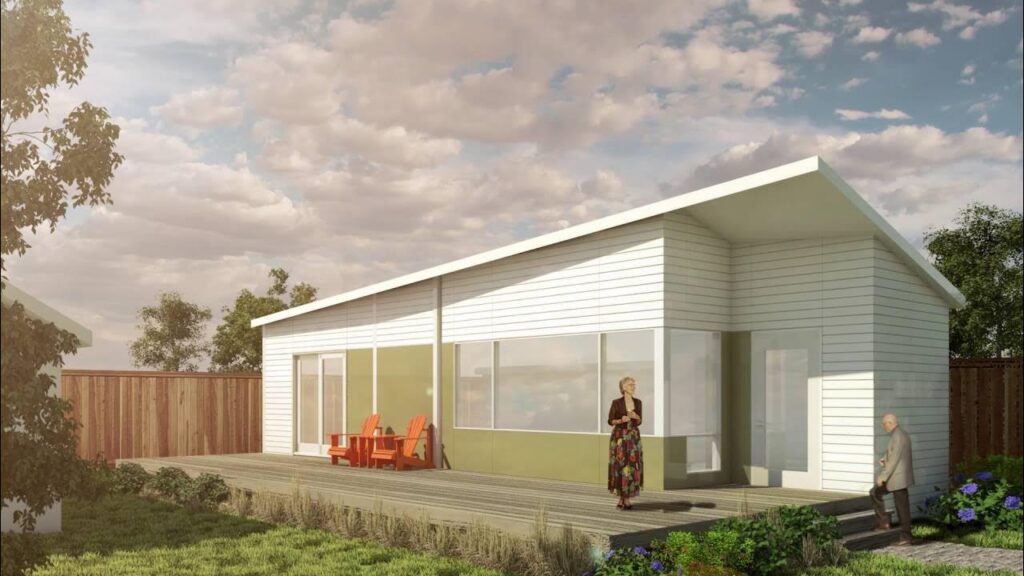
Introduction: A Growing Need for Accessible Homes
The global elderly population is expanding rapidly. By 2050, seniors aged 65+ will comprise over 16% of the world’s population. In the U.S., people aged 65 and older are projected to outnumber children for the first time in history. As we age, mobility, accessibility, and independence become paramount—but many homes are ill-equipped to support safe, comfortable aging.
Nano Living Systems LLC (NLS) offers customized modular homes designed precisely for these needs. Our homes marry flexibility, technology, and universal design to allow residents to age in place gracefully, safely, and affordably.
In this post, we explore the demographics behind aging-in-place, specific design features in NLS homes, and how our modular systems deliver durable, dignified, and life-enhancing living environments for seniors.
1. Demographics: Why Aging-in-Place Matters
Aging Trends & Housing Challenges
- S. seniors (65+) accounted for 18.5% of the population in 2020, growing steadily each decade.
- 80–90% of older adults prefer to remain at home, but 40% of U.S. homes have at least one major accessibility issue.
- The traditional approach—nursing homes and institutional care—is costly and emotionally taxing.
Solution Needed: Homes that adapt to aging residents, support mobility limitations, and promote long-term independence without sacrificing quality of life.
2. Modular Design: Built for Accessibility & Flexibility
Key Design Features
|
Feature |
Accessibility Benefit |
NLS Implementation |
|
Zero-Threshold Entries |
No tripping hazard, wheelchair-accessible |
Built-in in all entries |
|
Wider Doorways (36–42”) |
Accommodates walkers and wheelchairs |
Standard in NLS floor plans |
|
Open Floor Plans |
Unrestricted movement, visibility |
Modular tech enables clear layouts |
|
Ceiling Track Systems |
Mobility assistance for transfers |
Integrated in bathrooms/bedrooms |
|
Lever-Style Handles |
Easier for arthritic fingers |
Installed throughout |
|
Slip-Resistance Flooring |
Reduced fall risk |
All wet zones feature slip-rated surfaces |
|
Curbless Showers |
Total accessibility |
Configurable in all bathroom modules |
|
Grab Bars & Support Rails |
Stability in key areas |
Pre-installed in bathrooms and corridors |
|
Enhanced Lighting |
Improved depth perception |
Automated, motion-sensing lighting systems |
|
Smart Automation |
Control without mobility strain |
Voice, app, and fall detection systems |
3. Real-World Layouts and Flexibility
NLS offers adaptable unit designs to meet varying care scenarios:
Example Layouts:
- Studio Variant (450 sq ft): Multipurpose bay for bed, lounge, and dining. Accessible bathroom with roll-in shower and ceiling track.
- One-Bedroom (650 sq ft): Bedroom transition space for tasks; ADA-compliant bathroom.
- Two-Bedroom (850 sq ft): Backup room for caregivers or multigenerational living.
Changes to needs—installation of grab bars, widening doorways—are seamless due to the modular framework. Residents and families benefit from a home that grows with them.
4. Offsite Building Benefits for Seniors
- Fast Installations: Minimize disruption during moves with prebuilt, rapid-deployment modules.
- Consistent Quality: Factory fabrication ensures durable, built-to-spec accessibility features.
- Compact Footprint: Ideal for infill, assisted living villages, or support networks near services.
- Ease of Upgrades: Future enhancements (automation, smart monitoring) are plug-and-play.
5. Case Study: Senior Cooperative Housing, Portland OR
Scenario: A senior co-op with 10 members ages 70–85 collaborated with NLS for modular apartments.
Outcomes:
- Built in 4 months on shared land.
- Over 50% reduction in fall incidents compared to older homes.
- Utility bills dropped 30% due to smart tech and efficient SIP walls.
- Community impact was profound—accessibility and comfort fostered wellness and social connection among residents.
6. Additional Tech for Safety, Health, and Connection
Key Automation & Health Systems:
- Smart Thermostat Zones: Tailored comfort, easy elder control.
- Voice Assistants: Control lighting, HVAC, entertainment.
- Emergency Response Systems: Automated alerts with fall detection.
- Telehealth Integration: Monitoring tools for health tracking and caregiver alerts.
- Family Check-Ins: Remote companionship via voice or video.
7. Financing, Savings, & Value Add
- Increased access to aging-in-place grants and incentives for accessible homes.
- Long-term savings from built-in safety features (e.g., drastically reduced fall-related medical costs).
- Enhanced resale value attributed to universal design and aging-in-place readiness.
- Modular design allows sale of unused units or resizing as needs evolve.
Conclusion: Aging with Autonomy and Dignity
Nano Living Systems stands out not just for efficiency and sustainability—but for human-centered flexibility. Our senior-friendly homes provide:
- Safety and comfort
- Adaptable, durable environments
- Smart integrations for well-being
- Finely tuned balance of affordability and autonomy
For seniors and their families, aging in place means staying where comfort, familiarity, and independence converge—keeping life’s dignity intact. Nano homes make that happen, today and tomorrow.